Table Of Content
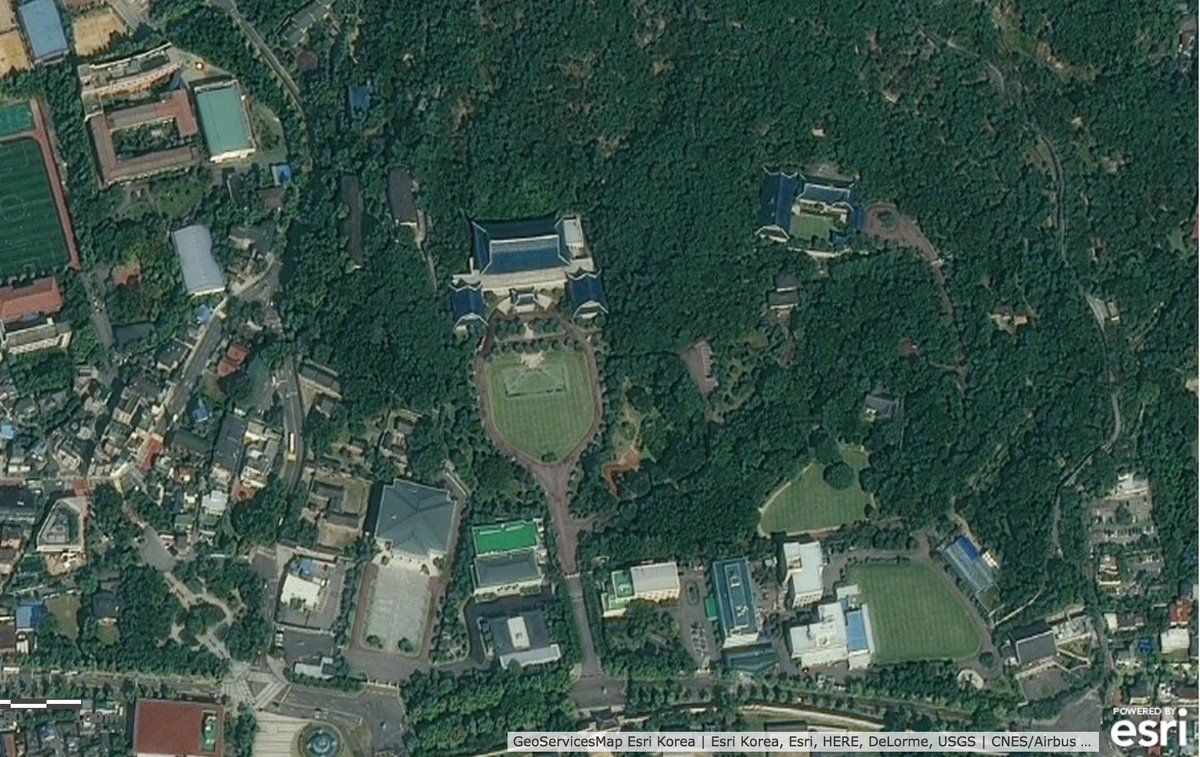
“I don’t think there’s any building with a similar history in Seoul that would not have the same kind of background,” he says. Beyond its immediate revamp as a cultural venue, the future of the Blue House remains unclear. Presidents in South Korea are limited to a single five-year term, and Yoon’s successor may choose to go back to the Cheongwadae.
What the tour includes?
However, special access was granted to some of the president’s trusted colleagues, as well as special foreign delegates who had business to do in Korea. It’s the place where the spirit tablets of the seven concubines who birthed kings of the Joseon Dynasty are enshrined. According to Confucian beliefs, it’s incredibly important to respect your elders in life and honor them in death, so it’s a necessity for their spirits to be preserved in tablets like this.

Sejong Room, Portraits of the Presidents of South Korea
With the road in the middle, there is the Gyeongbokgung Palace stone wall on the left and galleries and old buildings on the right. The stone wall of Gyeongbokgung Palace is scattered with beautiful old trees that will comfort you. Across the street are Hyundai Gallery, Geumho Gallery and other famous galleries and stylish cafes. After you pass this area, and before you reach the Blue House, turn to the right and you will reach Samcheong-dong Park. The last part of our tour is the Yeongbingwan where the President would entertain foreign visitors.
CityLab Daily: Why South Korea's President Is Ditching Seoul's Blue House - Bloomberg
CityLab Daily: Why South Korea's President Is Ditching Seoul's Blue House.
Posted: Mon, 09 May 2022 07:00:00 GMT [source]
MAIN OFFICE BUILDING
The house has served as the office of each South Korean president since 1948, but that's about to change. Yeongbingwan serves as the state reception hall, hosting significant meetings and official events for state guests. When foreign leaders visit Korea, they are greeted with traditional Korean performances and dinner banquets in this space. Additionally, the President utilizes Yeongbingwan for hosting large meetings or banquets accommodating over 100 guests. The interior boasts a spacious and solemn atmosphere, with yellow and white as the primary colors.
But the back gate can be closed, so ask when you buy the palace tickets. Nokjiwon Garden - The most beautiful place on the grounds of the Blue House where 120 species of trees and commemorative plantings of past presidents are located. Sugung Site - The present site of Sugung was the site of Sugung that protected the royal palace at that time. There are 3 entrance gates to Cheong Wa Dae, namely the Yeongbinmun Gate (west), main gate (center) and Chunchumun (Spring & Autumn) Gate (east). You can also register on-site by heading over to the General Information Center of the Main Gate, but only a maximum of 500 visitors are allowed per session.
At the age of 20, she started exploring instagrammable places, discovering fascinating cultures, trying various cuisines, and taking amazing photos from local and international travel destinations. During the walking tour, there are also toilets and a water station if you wanna pee or drink some water while taking a rest. Guests can learn a little background on what to expect inside the property. Have you ever wondered what it’s like to visit South Korea’s President’s Office & Residence? Photos of Cheong Wa Dae are only allowed at certain points on the tour. If you do not speak Korean, you will know when it is appropriate to take photos when the rest of the group pulls out their cameras.
Acknowledging its historical significance, the state formally recognized and designated it as a Treasure on April 20, 2018. This is a long-standing pavilion preserving many historical and cultural values of Korea. It was moved in 1989 during the construction of the Cheong Wa Dae Presidential Residence and is recognized by the Seoul Metropolitan Government as a Tangible Cultural Heritage. Each room has its own story, and in the Mugunghwa Room, you can check out a display featuring all the First Ladies of South Korea.
people are shot amid fight at a Florida party venue; teen is arrested
Cheong Wa Dae to host 'Blue House Concert' in fall : Korea.net : The official website of the Republic of Korea - 코리아넷
Cheong Wa Dae to host 'Blue House Concert' in fall : Korea.net : The official website of the Republic of Korea.
Posted: Mon, 21 Aug 2023 07:00:00 GMT [source]
This group was intended to assassinate the leader of North Korea, Kim Il Sung. However, following an improvement in intra-Korean relations, the unit's assassination mission was cancelled and in 1971 the unit revolted and most of its members were killed. On January 22, 1968, the ROK Army's 6th Corps began a massive sweep operation to capture or kill any members of the unit. Soldiers from the 92nd Regiment, 30th Infantry Division captured Kim Shin-jo, who had been hiding in a civilian's house near Inwang Mountain.
Then in the drop-down menu, click “Visit for Tourists” and fill out the online reservation form and state your preferred visit date. Taking pictures of the area is permitted, but only at designated places indicated by the tour guide. You are also expected to honor privacy, so if there are events going on, do not take pictures unless allowed to do so. In the mid-19th century, it was turned into a military training ground called the Gyeongmudae, and was also wide enough to host the gwageo, or the civil service examinations. When the Japan-Korea Treaty was imposed on the Korean Empire, a building was erected to house the Japanese Colonial Government General throughout the Japanese occupation. It’s also in a pretty ideal location, and is just a convenient walk away from several historical landmarks, like Gyeongbokgung Palace and Bukchon Hanok Village.
In 2013, a new logo was released with the launch of Park Geun-hye's government and was used until the end of Moon Jae-in's government in 2022.
However, there are plans to reform the visitor policy under President Yoon Suk-yeol's administration, per Korea JoongAng Daily. Visitors will now be allowed to roam freely around permitted areas without a guide. Visitors are allowed in certain areas of the Blue House, but only through guided tours. Yoon's political opponents have accused him of listening to the readings of Fengshui practitioners and prioritizing their advice over national security. Be aware that you should make a reservation at least 3 weeks in advance. After registration you will receive a confirmation email whether your application has been approved.
It’s quite a secluded place, and was heavily restricted for a long time. The only thing passersby could see were the buildings and pavilions that had the iconic blue tiles formed to honor traditional Korean architecture. When the Republic of Korea was established in 1948, the first president Syngman Rhee renamed the building to “Gyeong Mu Dae” and he used it as an office as well as a place of residence. The fourth president of South Korea, Yun Bo-seon, changed the name to Cheongwadae, which literally means “The Blue House” after the signature blue tiling on the roof. The land that the Blue House is on was originally a royal villa in Hanyang, the capital of the Goryeo Dynasty. Once Joseon took over and Gyeongbokgung Palace was built, it became the back garden of the palace.
During the Japanese colonial period in 1927, many buildings in the background, including Gyeongmudae, were demolished. In 1939, the governor's residence at Gyeongbokgung moved to the post of patron. Even after liberation, this location was used as his official residence by the U.S. Military Government's John Haji.[1][2] Since the establishment of the Korean government in 1948, Syngman Rhee has named the Governor-General's residence Gyeongmudae. If you walk down through a small park with a charming pond and a small pavilion, you will reach the Sangchunjae Guest House, where foreign dignitaries stay on their state visits to Korea. The guest house is also built following the traditional Korean hanok style.
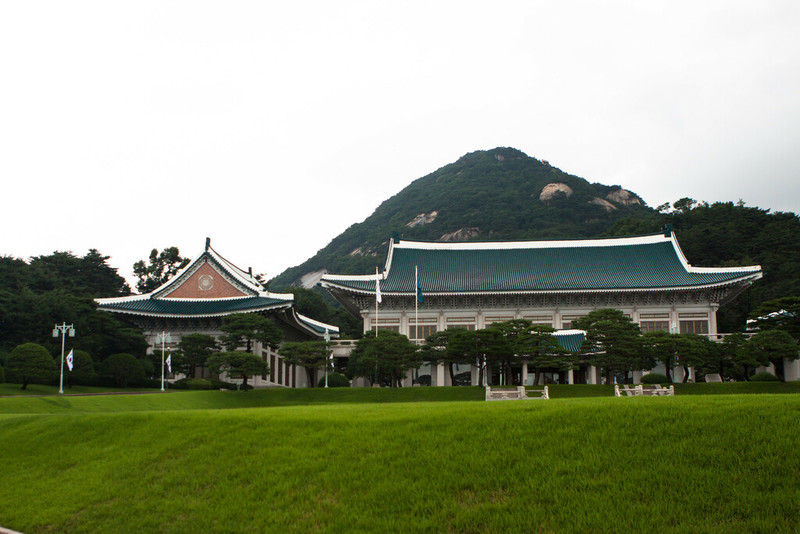
It is the first thing that catches one’s attention upon entering the premises. The blue tiles and the smooth roof blend beautifully with Bugaksan Mountain in the backdrop. Be prepared to queue to enter the main building especially on weekends since it can be a little crowded. The Blue House, located in the bustling metropolis of Seoul, South Korea, is an architectural masterpiece as well as a symbol of the country’s rich history and culture. This well-known landmark welcomes guests who are eager to see its beauty and significance. Since every South Korean President has resided here in the Blue House, it has always been extremely private.
As mentioned earlier the presidential residence is known as “the Blue House”, but why? The name comes from the blue-tiled roof of the main building which is the representing image of Cheongwadae. Completed in 1991, it consists of a two-story central building flanked by two single-story wings. The architecture of the building represents the Korean palace architectural style which is based on traditional wood construction methods.
It will be very crowded and complicated at first, but I think it will gradually get better," said Kim Jung-taek, a gallery owner near the new presidential offices. For most South Koreans, the Blue House in Seoul is a little-visited, heavily secured mountainside landmark. That’s now changed as thousands have been allowed a look inside the former presidential palace for the first time in 74 years. On the day of the visit you should meet at the Cheong Wa Dae Tour Information Booth at the east parking lot adjacent to Gyeongbokgung Palace.



No comments:
Post a Comment